
Building a Counter Narrative: Loving Who We Are

The recent incident of the Obamas being depicted as animals was a painful reminder of how often Black people are bombarded with negative portrayals simply for being Black. The tropes are endless—“we’re not smart,” the “angry Black woman,” the “aggressive Black man,” or that we’re somehow “more animal than human.” These stereotypes are cruel, dehumanizing, and exhausting.
If we’re not careful, we can start to believe these lies. That’s the insidious nature of racism—it isn’t always loud or obvious. Sometimes, it creeps in so quietly that it disguises itself as our own thoughts. This is what we call internalized racism—when society’s racist messages are adopted as personal beliefs, leading to self-doubt, self-hatred, and a diminished sense of worth.
I know what you might be thinking: “Surely not you, Dr. Stacy!” But yes—even I catch myself struggling with it. For instance, I wear my luscious locs proudly, yet sometimes I still question whether they look “professional enough.” That’s how sneaky racism can be—it tries to make us feel we must conform to be accepted.
So, what can we do about it?
Build a Counter Narrative
We must intentionally remind ourselves of the truth—the beauty, brilliance, and resilience of Black people. By focusing on what we love about our culture, our people, and ourselves, we build a shield of truth to protect our spirit. Thoughts shape feelings, and feelings shape how we show up in the world.
So, let’s fill our minds with good things. Here’s my morning list:
The first and only Black President of the United States led this nation for eight scandal-free years—and he is not in the Epstein files.
African American literature is rich, powerful, and transformative—with voices like James Baldwin, Toni Morrison, Bebe Moore Campbell, Amanda Gorman, Lynn Harris, and Michael Harriot.
Our ancestors are strong, brilliant, and tenacious—they survived and thrived through unimaginable odds.
HBCUs produce the highest number of African Americans who go on to earn terminal degrees.
Our music birthed genres the world loves—rock and roll, country, jazz, gospel, hip-hop, and more.
I love being Black because we are flavorful—our food, our style, our vibe.
I love being Black because we take care of each other; community is our heartbeat.
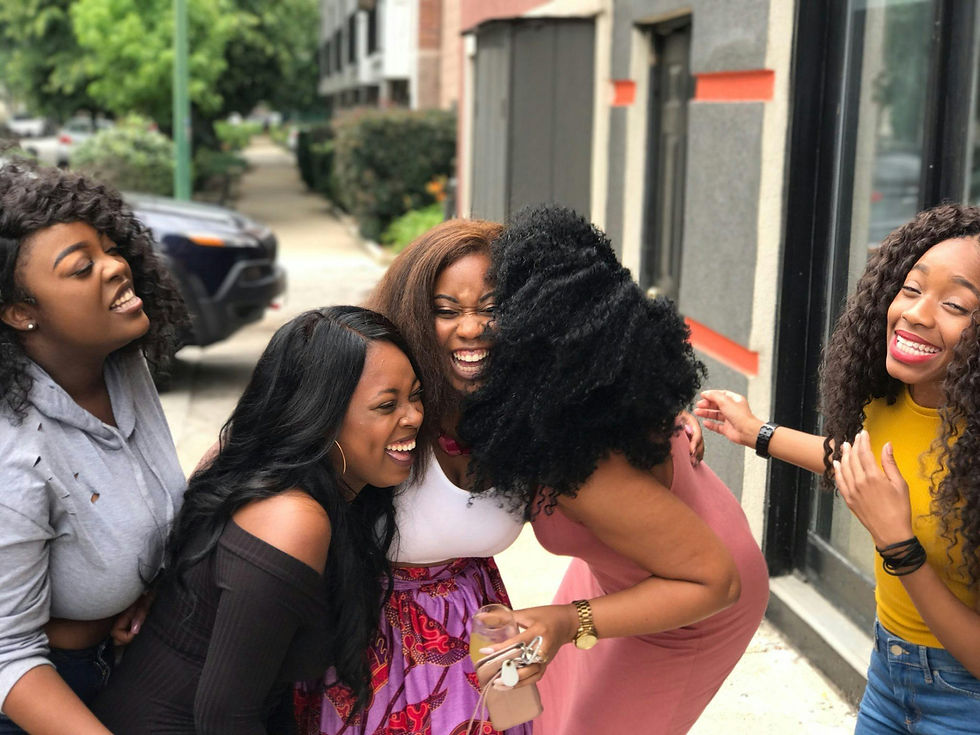
I love being Black because our laughter is deep, full-bodied, and from the soul.
I love being Black because my hair is an art canvas—expressive, versatile, and beautiful.
I love being Black because of the Black Church—our faith, our songs, our strength.
Now, don’t get me wrong—positive thinking alone won’t erase the impact of racism. But it is one powerful tool in your toolkit. It’s a practice of mental and emotional resistance.
So, now it’s your turn:
Tell me—what do you love about being Black? What do you celebrate?
Share your thoughts with me on Instagram @drstaceypw or email me at drstaceyinspires@gmail.com.

Let’s keep building our counter narrative—one joyful truth at a time.


Comments